How Small Homes Support Residents With Memory Loss
Why a small, quiet home with consistent faces and steady routines helps people with memory loss — and an honest look at where small homes reach their limit.
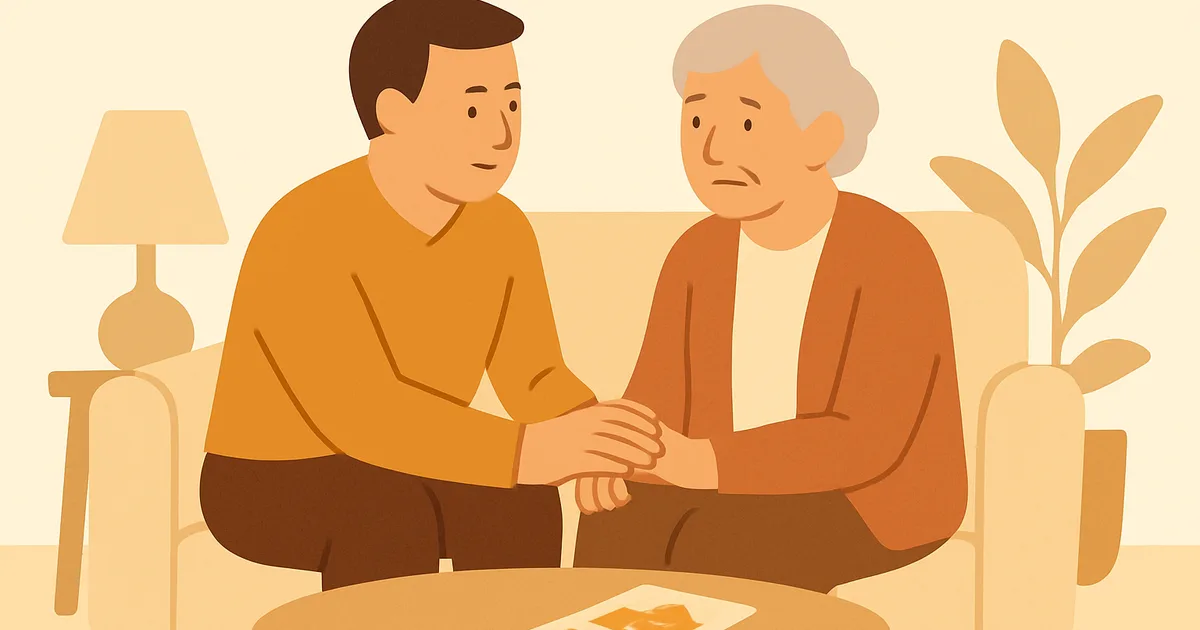
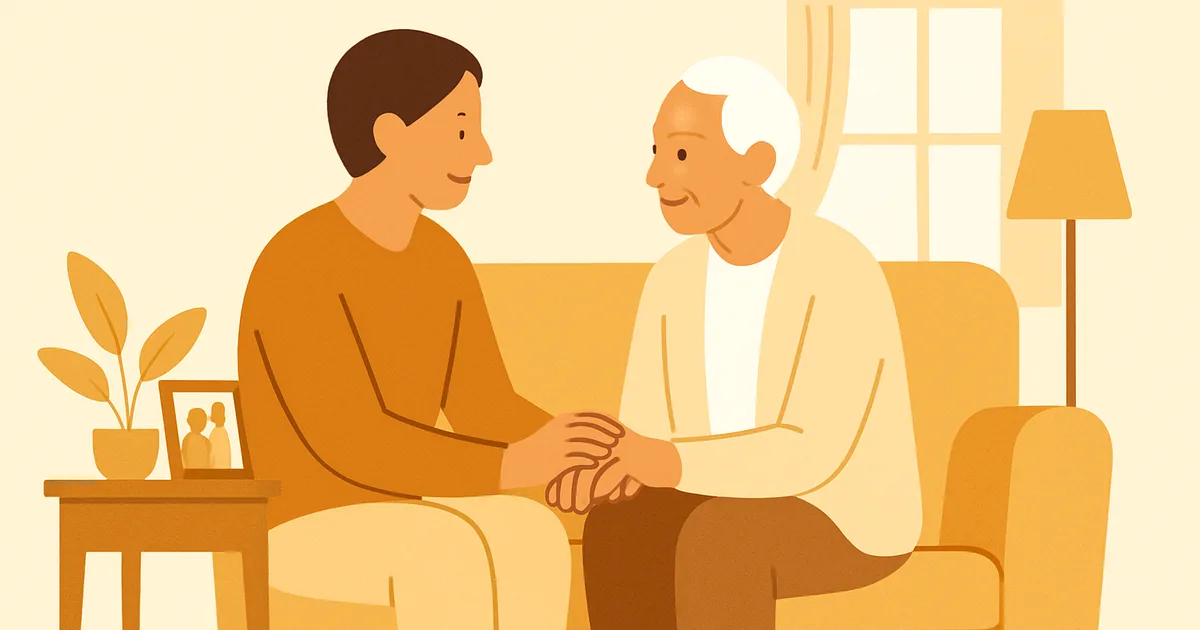
If your parent or spouse has mild to moderate memory loss, the environment they live in matters almost as much as the care they receive — and small, quiet homes hold a genuine advantage: consistent faces, home-like rhythms, low noise and familiar spaces reduce the daily disorientation that large, busy facilities can amplify. That is the honest case for a small home. The equally honest limit: advanced dementia usually needs a specialised secure unit, and a good small home will say so rather than hold on too long. This article makes both halves of that argument.
For a person living with memory loss, the environment is part of the care: the fewer faces, spaces and changes a day asks them to make sense of, the more of themselves they have left for living.
Why environment matters so much in memory loss
Memory loss doesn't just take memories — it takes the ability to build new ones easily. New places, new people and new routines, which the rest of us absorb without noticing, each demand real work from a person with dementia. Every unfamiliar corridor is a puzzle; every unfamiliar face is a small alarm.
This is why the same person can seem markedly more confused in a busy, echoing environment than in a quiet familiar one. It is a well-established principle of dementia care that calm, consistent, home-like surroundings reduce anxiety and disorientation — not by treating the condition, but by lowering how much the condition is asked to cope with each day. The environment either drains the person's limited reserves or preserves them.
What a small home offers
Measured against that principle, the strengths of a small home are structural, not cosmetic:
- Consistent faces. In a home with deliberately low resident numbers, the same few carers appear day after day. Even when a name won't come, the familiarity does — faces become safe long after names go, and a known face at the bedroom door in the morning is worth a great deal.
- Home rhythms. Meals cooked in the house, at the same times, at the same table; tea in the same chair; the unhurried pattern of an ordinary household. Routine is scaffolding for a memory that can't be relied on to explain what comes next.
- Low noise, low bustle. No long corridors, no PA announcements, no shifting crowds of strangers. Overstimulation feeds confusion — and often feeds the evening restlessness known as sundowning — so quiet is not a luxury here; it is care.
- Spaces small enough to learn. A handful of rooms, a shared lounge, a garden — a geography a person can come to know, and keep knowing. Being able to find your own room and your own chair is dignity of a very practical kind.
- Being known. In a small home, carers know how each resident takes their tea, which stories they love to tell, what settles them when they're anxious. With memory loss, that knowledge is safety: staff who know a person well notice small changes early, and can reassure in the way this person needs.
At Dayspring Gardens in Northriding, this is the deliberate design: a small home with 24-hour support, home-cooked meals, shared lounges and gardens, and resident numbers kept low on purpose so that every resident is genuinely known. For residents with mild to moderate memory loss, that combination — steadiness, supervision and familiarity — is the support itself.
The honest limit — and why hearing it is a good sign
Now the other half, because you deserve the whole picture. A small assisted-living home is not a specialised dementia unit. As dementia advances — constant disorientation, determined wandering that needs secure doors, distress or aggression that requires specifically trained staff, heavy nursing needs around the clock — the very things that make a small home lovely stop being enough. At that stage the right setting is usually a dedicated memory-care or frail-care unit: secure spaces designed for safe wandering, staff trained in advanced dementia, nursing on site. We've written more about that transition in when home care isn't enough and about the specialised options beyond assisted living.
Here is the useful test when you visit any home: ask directly what level of memory loss they support, and what happens when your person's needs go beyond it. A home that answers vaguely, or promises to manage "whatever comes," is telling you something worrying. A home that says plainly, "We support residents to this point; beyond it, we'll help you find specialised care, and we'll tell you when that time is approaching" — that home is telling you the truth, and a home that is honest about its limits is far more likely to be honest about everything else. The possibility of a later move is not a reason to avoid a small home in the meanwhile; years of calm, known, dignified living are not undone by what may come after them.
Matching the setting to the person
None of this is a formula, because no two people carry memory loss the same way. The right question is not "which type of home is best?" but "what does this person need now — and where will they be most themselves?" A doctor's assessment helps establish the stage; a visit — ideally with your loved one, unhurried, around a mealtime — tells you how a place actually feels. Watch whether the carers speak to your parent or over their head. In a good home, a person with memory loss is a person first, always.
Questions families actually ask
Why is a small home better for someone with memory loss? Because familiarity does much of the work memory can no longer do. In a small home the same few faces, quiet spaces and steady daily rhythms are easier to learn and keep hold of, which tends to mean less disorientation and anxiety than in a large, busy facility.
Can an assisted living home care for someone with dementia? Good small homes generally support mild to moderate memory loss well, through routine, supervision and consistent carers. Advanced dementia — constant disorientation, unsafe wandering, heavy nursing needs — usually calls for a specialised secure memory-care unit.
What questions should I ask a home about memory care? Ask what level of memory loss they support, how they handle confusion and night-time restlessness, and — most importantly — what happens when needs advance beyond what they can offer. A clear, honest answer to that last question is one of the best signs of a good home.
Will my parent with memory loss have to move again later? Possibly, yes. If dementia advances to the point of needing a specialised secure unit, a move may be the right and safe choice. An honest home will tell you this upfront and help you plan the transition calmly rather than in a crisis.
Come and see what small feels like
If you're weighing options for a parent or spouse with memory loss, the most useful next step is simply to stand inside a small home and feel the difference. You're welcome to talk to us about a visit or respite stay — a short respite stay is often a gentle, low-pressure way to see whether the setting suits your person — and our Choosing Senior Care guide walks through the wider decision step by step.