Caring for a Spouse With Dementia — When You're Carrying It Alone
For the husband or wife carrying dementia care alone: the grief, the duty, why accepting help is an act of love, and where relief can honestly be found.
If you are caring for your husband or wife with dementia, largely alone, here is the truth this article exists to tell you: you cannot do this without help, you were never meant to, and accepting help is not a betrayal of your marriage — it is one of the most loving things you can still do for the person you promised yourself to. Everything below is in service of that one sentence.
You are carrying something the people around you can only partly see. This is written for you — not for your children, though they may read it too — and it will not pretend any of it is easy.
The double weight: grief and duty at once
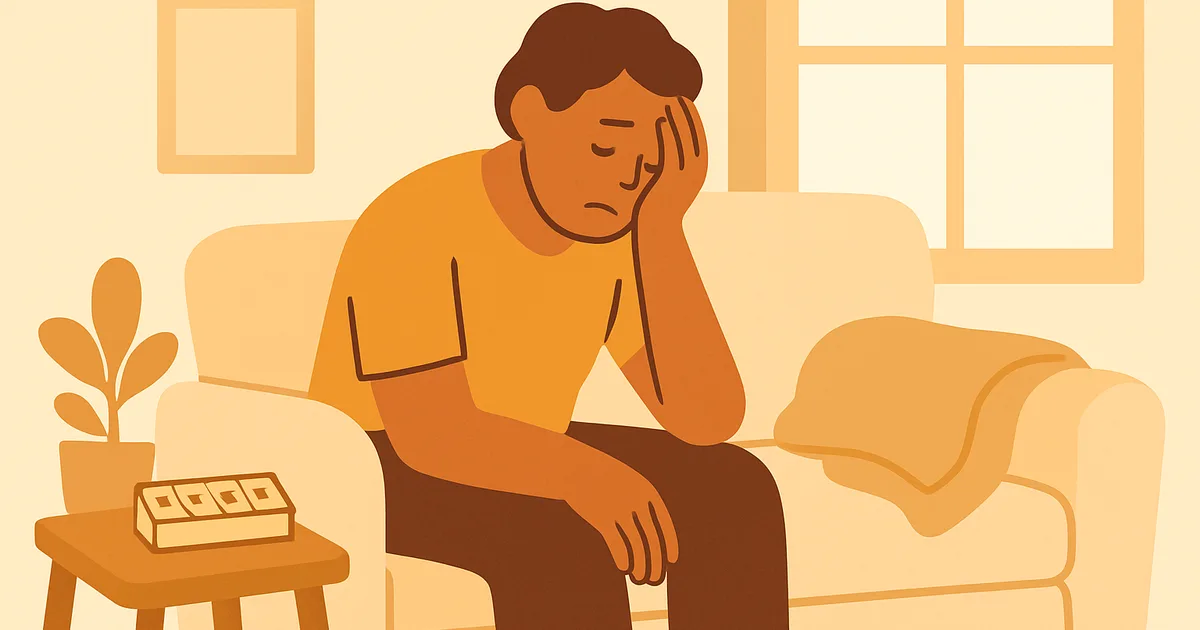
Caring for a spouse with dementia is unlike any other caring, because you are grieving and labouring at the same time. The person beside you is still here — still theirs in a gesture, a laugh, a look — and yet the marriage as you knew it is changing in front of you. You lose your conversation partner, your co-rememberer, the one who carried half of everything, while gaining a workload that would stagger a young professional. And the world mostly doesn't see it. Friends ask how he is. Doctors examine her. You answer kindly, and go home to another broken night.
When you care for a spouse with dementia, you carry grief and duty in the same two hands — mourning a changing marriage while working harder inside it than you ever have.
Let it be said plainly: what you are feeling — the sorrow, the exhaustion, the flashes of anger, the guilt about the anger — is the normal weight of an extraordinary load. It is not a failure of love. It is what love looks like under this much strain.
Why accepting help is care, not betrayal
Here is the thought that keeps so many devoted husbands and wives trapped: I promised. In sickness and in health. If I hand any of this over, I am abandoning them.
Look at that promise again. You promised to love and to cherish — you did not promise to be a nurse, a night-watchman, a cook, a pharmacist and a bodyguard, simultaneously, alone, in your seventies or eighties. The promise was never about doing every task with your own hands. It was about making sure your person is loved and looked after. And there comes a point — earlier than most carers admit — where doing it all yourself starts to undermine that promise rather than keep it. An exhausted carer misses medication doses, dozes through wandering, has less patience for the fiftieth repeated question, and gets ill. Two people go down instead of one.
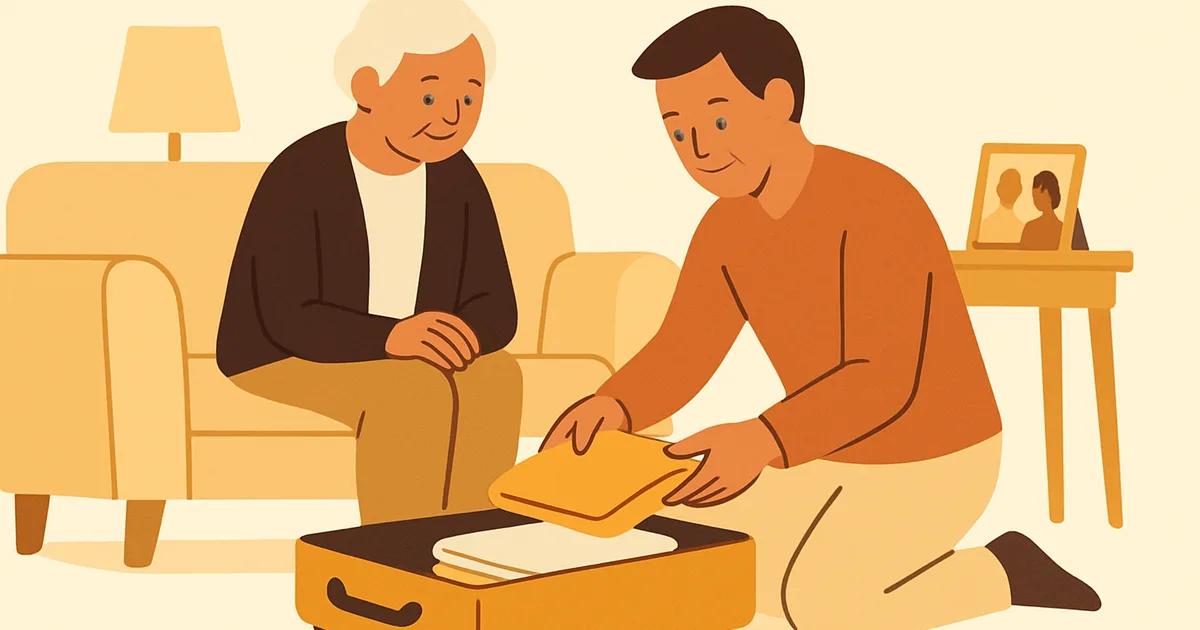
So turn the guilt around, gently. Bringing in help is not stepping back from your spouse; it is stepping back from tasks so that you can step closer to the person. When someone else has done the bathing and the breakfast, you have something left over for the parts only you can do — holding a hand, playing their music, being the face they have loved for fifty years. Help doesn't replace you. Nothing can. It restores you to the role no carer can fill: their husband, their wife.
What relief actually looks like
Relief comes in layers, and you can start small:
- Hours of home care. A carer coming in a few mornings a week — for bathing, or simply so you can sleep, shop or see your own doctor — is often the first and most transforming step.
- Day support. Some centres and homes offer daytime care or activities, giving your spouse company and structure and giving you a whole day, regularly, to be a person again.
- Respite stays. A planned short stay — a week or two in a care home while you genuinely rest, have your own operation, or visit the grandchildren — with your spouse looked after around the clock. Many couples use respite regularly, as a rhythm rather than an emergency measure; it also lets a home become familiar long before any bigger decision is needed. Our guide to planning a respite stay explains how it works.
- A support group. Sitting with other husbands and wives who know — who laugh at the same dark moments and don't need anything explained — is medicine of its own. Alzheimer's South Africa runs family support and can point you to groups and guidance near you.
- Your family, specifically asked. Children and friends often hold back because they don't know what to offer. "Take Dad on Saturday mornings" works better than waiting to be rescued.
If evenings are your hardest hours — restlessness, pacing, the anxious hour before supper — you are likely dealing with sundowning, and there are gentle ways to soften it.
Watch yourself the way you watch them
You track your spouse's every symptom. Now apply a fraction of that vigilance to yourself, because carers fail the way bridges do — slowly, then suddenly. Take these seriously:
- Sleep. Broken sleep night after night is not sustainable for anyone; it is often the single strongest sign that more help is needed now.
- Your own health. Skipped check-ups, unfilled prescriptions, that pain you keep ignoring. Your GP needs to know you are a full-time carer — say the words at your next visit.
- Isolation. When did you last see a friend, alone, for pleasure? Withdrawal feels like efficiency but it is the beginning of collapse.
- Numbness or constant irritation. When you feel nothing, or only frustration, towards the person you love, that is not the truth of your heart — it is the sound of an empty tank.
If several of these are you, please read our guide to recognising carer burnout — and treat what it describes as a signal to act, not a verdict on your devotion.
Questions families actually ask
Is it wrong to want a break from caring for my husband or wife with dementia? No. Wanting rest is not wanting escape, and it says nothing about your love. Around-the-clock dementia care is more than one person can safely give without relief — accepting help protects both of you, and lets you keep going.
What is respite care and how does it work for dementia? Respite care is a short, planned stay in a care home — often a week or two — during which your spouse is looked after around the clock while you rest, recover or travel. Many homes, including small assisted-living homes, offer it, and many couples use it regularly.
Am I betraying my spouse by letting other people care for them? No. The promise you made was to love and look after them — not to do every task with your own two hands until you collapse. Bringing in help is how you keep the promise, because it keeps their care good and keeps you well enough to go on being their person.
What support exists in South Africa for spouses caring for someone with dementia? Start with your GP, who can assess your spouse and your own health. Alzheimer's South Africa runs family support and can connect you with groups and guidance. Options for relief include home carers, day support, and short respite stays in care homes.
How do I know if I am reaching carer burnout? Warning signs include broken sleep night after night, your own health slipping or check-ups skipped, withdrawing from friends, constant exhaustion, and feeling irritable or numb towards the person you love. These are signals to bring in help now, not personal failings.
You are allowed to be helped
You have been strong for a long time, mostly unseen. Whatever you decide — a few hours of home care, a support group, a respite stay, or simply a conversation — let it begin with the sentence you least like saying: I need help with this. At Dayspring Gardens, a small home in Northriding, Randburg, we offer short respite stays exactly for husbands and wives in your position, with 24-hour support and home-cooked meals in a place small enough that your spouse will be known by name within days. You are welcome to talk to us about a visit or respite stay — no commitment, just a conversation — or to read our Choosing Senior Care guide whenever you feel ready.