Small Assisted-Living Homes vs Large Retirement Villages
Small assisted-living homes vs large retirement villages: an honest comparison of atmosphere, staff continuity, activities and care — and who thrives in each.
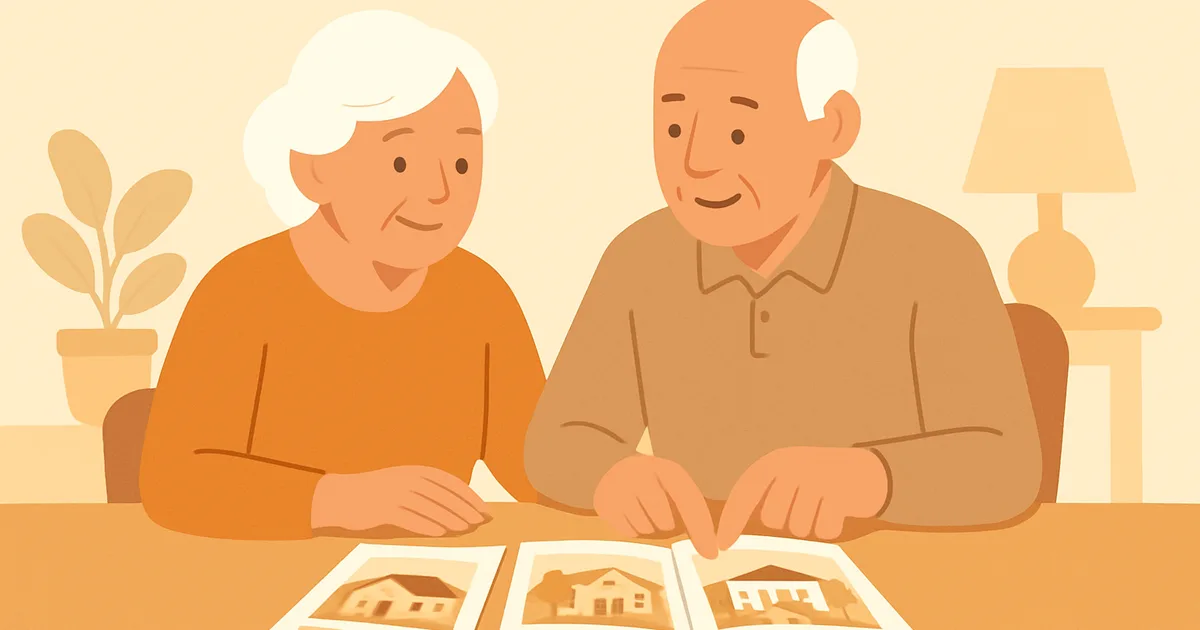
Neither a small assisted-living home nor a large retirement village is "better" — they are genuinely different environments that suit different people. Villages offer independence, facilities and a busy social world on one estate; small homes offer consistent carers, household rhythms and staff who know every resident personally. The real question is not which is superior, but which one the particular person you love — with their personality, health and social appetite — would thrive in.
A retirement village is a community you live in, with support available around you; a small assisted-living home is a household you belong to, with care woven through the day. Both can be excellent — for different people.
If you are still untangling the categories themselves — village units, life rights, assisted living, frail care — start with our plain-language explainer on retirement villages vs assisted living, then come back to the question of scale.
The honest comparison
| Small assisted-living home | Large retirement village | |
|---|---|---|
| Typical size | A household — often under twenty residents | An estate — dozens to hundreds of units, often with a care centre |
| Atmosphere | Domestic and quiet; feels like a family home | Lively and campus-like; feels like a community or resort |
| Staff continuity | The same few carers daily; everyone knows everyone | Larger teams working shifts across many residents |
| Activities & social scene | Shared meals, gardens, visitors, small outings; company woven into the day | Full calendars — clubs, exercise classes, entertainment, often restaurants, libraries, even bowls greens |
| Care personalisation | High — routines, meals and attention shaped around each person; change in a resident is noticed quickly | Structured — care plans delivered by a bigger team, with strong systems but less day-to-day sameness of faces |
| Who thrives | People needing daily support, quieter souls, and those living with memory loss who do best with familiar faces | Independent, sociable people who want options and activity — and couples needing different levels of care on one estate |
The genuine case for a large village
Large villages earn their popularity honestly. For an active, independent person, the social scene alone can be transformative: exercise classes, book clubs, choirs, day trips, a restaurant to take the grandchildren to, and a large pool of peers in which to find real friends. A village keeps a sociable retiree busy in a way no small household can match.
The estate model has a structural advantage too. Many villages offer a continuum on one property — independent cottages, assisted living, frail care — so a couple where one partner needs care and the other does not can stay minutes apart instead of suburbs apart. For some families that single fact settles the decision, and rightly so.
Villages also suit people who value privacy and self-determination: your own front door, your own kitchen, help available but not hovering.
What a small home offers instead
A small home trades breadth for depth. With deliberately few residents, the same handful of carers greet your father every morning — they know how he takes his tea, which chair is his, when his sleep was bad, and precisely how today compares with last Tuesday. That continuity is not just sentimental; it is often how a brewing infection, a low mood or a new unsteadiness gets noticed early, because the person looking is someone who truly knows his normal.
Daily life runs on home rhythms rather than a programme: meals cooked in the kitchen and eaten together, the garden, the lounge, visitors dropping in. For people who find big dining rooms and full calendars exhausting rather than energising — and especially for those living with memory loss, who are steadied by sameness — this smaller world is not a lesser version of a village. It is the point. Dayspring Gardens in Northriding is built on exactly this idea: resident numbers kept deliberately low so that staff know each person, with home-cooked meals, shared lounges and gardens, and 24-hour support.
How to choose between them
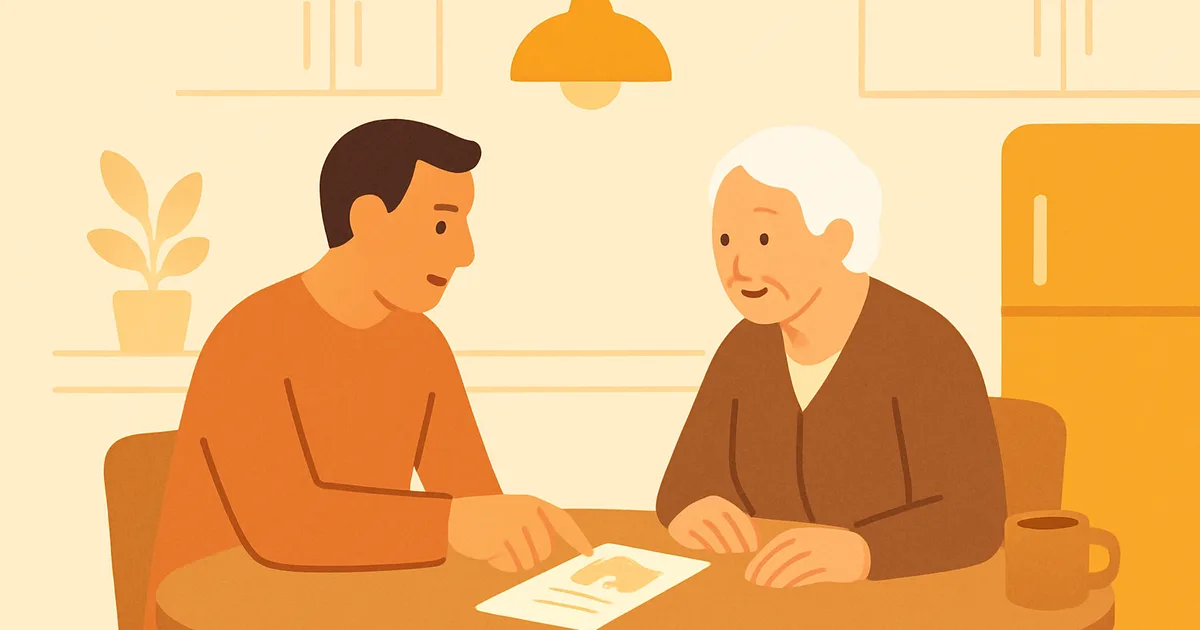
Forget the brochures for a moment and picture your actual parent on an ordinary Tuesday.
- Social appetite: Would a full calendar delight them or drain them? Did they love the club scene at sixty, or was home always their favourite place?
- Care needs now and soon: Largely independent points toward a village; daily hands-on help, or early memory loss, points toward the depth of a small home. Where they sit on the spectrum matters more than the marketing.
- A couple or one person: Two people with diverging needs strengthen the village case considerably.
- Temperament: Some people bloom in a crowd; others need to be known. You already know which your parent is.
Then visit both kinds — ideally around a mealtime — and watch your parent's face rather than the facilities. Our family's guide to choosing an assisted living home covers what to look for once you're through the door, and our checklist of questions to ask on a tour works in a village care centre just as well as in a small home.
Questions families actually ask
Is a small assisted-living home better than a big retirement village? Neither is better — they suit different people. Large villages offer independence, busy social calendars and facilities on one estate; small homes offer consistent carers, a family atmosphere and staff who know every resident personally. The right question is which environment your parent would actually thrive in.
Who tends to thrive in a large retirement village? Typically people who are still largely independent, sociable and active — those who want clubs, outings, restaurants and a wide pool of peers, and who like the reassurance of higher levels of care available on the same estate for later. Couples with different care needs often manage well in villages for this reason.
Who tends to do better in a small home? People who need daily hands-on support, find crowds and bustle tiring, or simply prefer a household to a campus. Quieter personalities, and people living with memory loss, often do best where the faces, rooms and routines stay the same from day to day.
Do small homes have enough for residents to do? Good ones do, though the style differs from a village. Instead of a printed programme of clubs and events, activity in a small home tends to follow household rhythms — meals together, time in the garden, visitors, outings — with company built into the day rather than scheduled onto it.
Can my parents move into a village if one of them needs assisted living? Often, yes — this is one of the strongest arguments for a larger estate. Many villages let one spouse live independently while the other receives assisted living or frail care nearby on the same property, which can keep a couple close through very different care needs.
If you're weighing this now
Seeing both scales in person usually makes the answer obvious in a way no table can. Our free Choosing Senior Care guide pulls the whole decision together, and if a small home is on your shortlist, you're welcome to arrange a visit and feel the difference for yourself.