Assisted Living vs. Home Care: Which Is Right for Your Parent?
Home care or an assisted living home? A clear, honest comparison for South African families — cost, safety, companionship, and how to weigh the trade-offs.
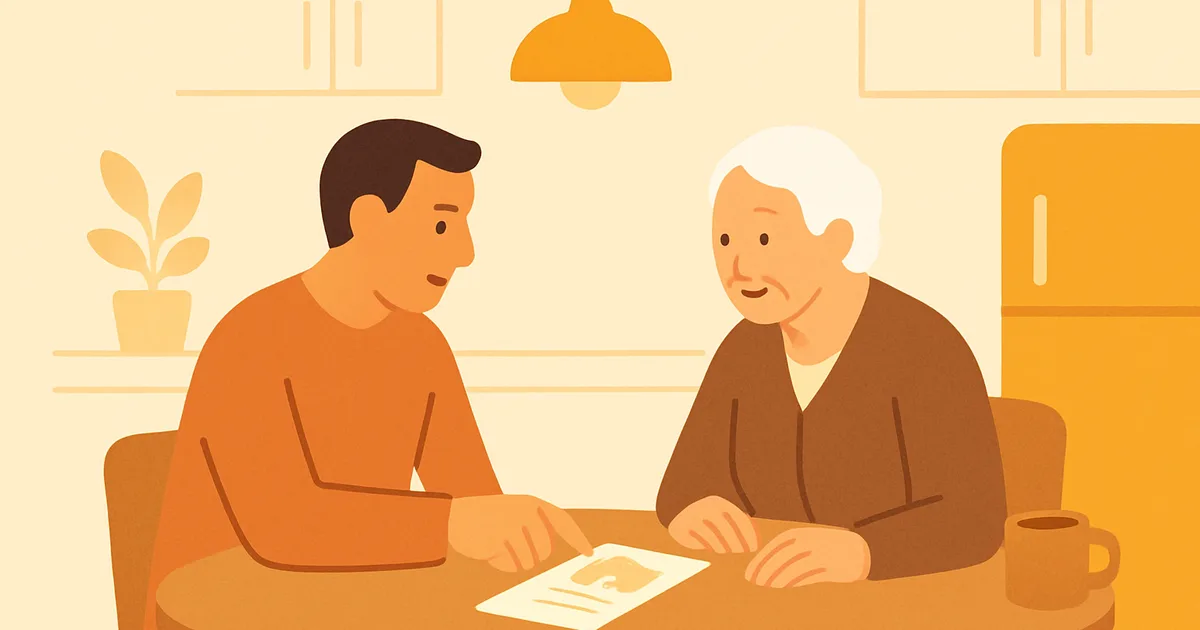
When a parent starts needing more help, most families face the same fork in the road: bring care to them at home, or move them to a place built for care. Both can be the right answer. The best choice depends on your parent's health, their temperament, your family's circumstances, and — honestly — what is sustainable over time.
Home care brings a carer to your parent's own house for set hours; assisted living moves your parent into a home where care, meals and company are always present. Home care usually wins on familiarity and cost at low care hours; assisted living wins on safety, sociability and cost once the hours needed climb — especially where nights are the problem.
Here is a clear-eyed comparison to help you weigh it up.
The case for home care
Staying at home means staying somewhere familiar, surrounded by a lifetime of memories. For many older people that comfort is worth a great deal. Home care — a carer who comes in for a few hours, or lives in — can work well when:
- Your parent's needs are moderate and predictable.
- The home is safe (or can be made safe) for someone less steady on their feet.
- There's reliable family nearby to coordinate and fill gaps.
The trade-offs are real, though. Good live-in care is expensive and hard to staff consistently. A single carer can't be awake 24 hours a day. And home can become isolating — the social world of an older person living alone often shrinks to the few people who visit. Loneliness is not a small thing; it affects health as much as many physical conditions.
The case for assisted living
An assisted living home trades the familiarity of the old house for three things that are hard to provide at home: safety around the clock, professional care, and company.
- There is always someone on hand — through the night, on weekends, in an emergency.
- Care scales with need: meals and companionship now, more nursing later, without another disruptive move.
- Days have shape and other people in them — shared meals, activities, conversation. For many residents, the surprise is how much lighter they feel once the daily struggle of managing alone is lifted.
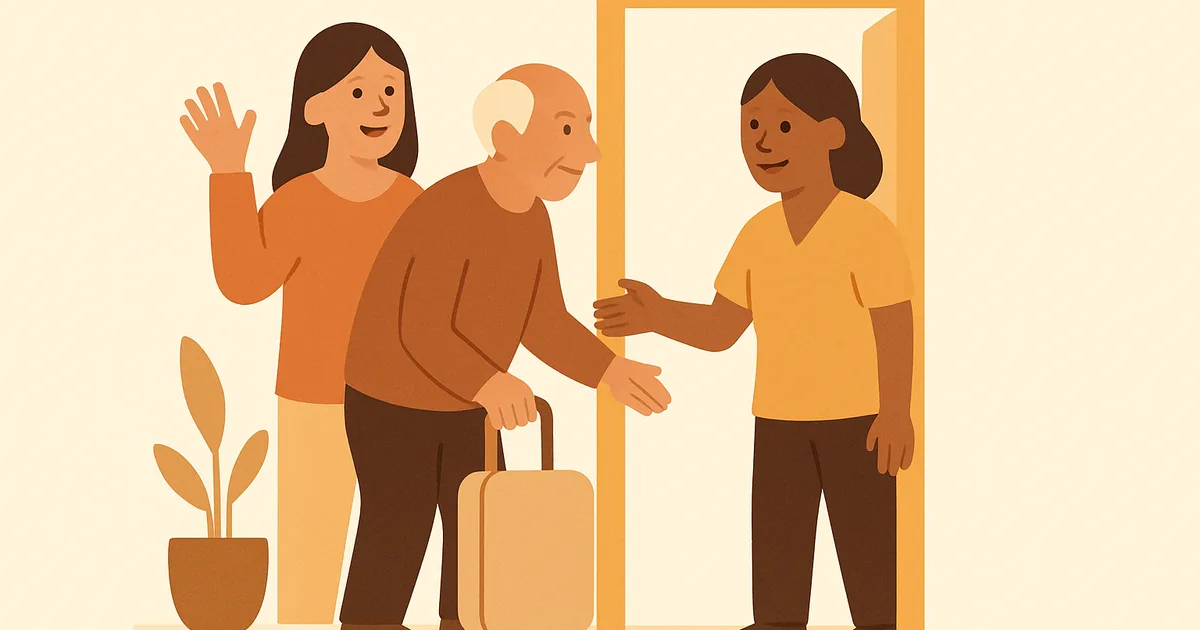
The trade-off is the move itself, which is emotionally hard (see helping a parent settle in), and the reality that a home is not the family house.
How the costs compare
People often assume home is cheaper. Sometimes it is — for a few hours of help a week. But once needs grow to daytime or live-in care, the numbers shift. A live-in carer, agency fees, and the hidden costs of running a household can rival or exceed the all-inclusive monthly fee of a good care home, which bundles accommodation, meals, care, and activities into one predictable figure. Compare the total cost of each, not just the headline rate.
A simple way to decide
Ask three questions honestly:
- Safety — can my parent be kept genuinely safe at home, day and night?
- Sustainability — is the home arrangement something we can keep up for years, not just months?
- Wellbeing — where will my parent be less lonely and more themselves?
If home wins on all three, stay home a while longer. If one or more is shaky, a care home may be the kinder, steadier choice — and it's better made before a crisis forces it.
Questions families actually ask
What is the difference between assisted living and home care? Home care brings a paid carer into your parent's own house for agreed hours. Assisted living moves your parent into a small home where care, meals, activity and company are continuously present. The first keeps the familiar surroundings; the second removes the gaps between visits.
Which is cheaper, home care or assisted living? It depends almost entirely on hours. A few hours of home care a week is far cheaper than an assisted living fee. As the hours climb — and especially once nights or weekends are needed — home care costs rise steeply and often overtake assisted living, which bundles care, accommodation, meals and utilities into one fee.
When is home care no longer enough? When the problems happen in the gaps: falls or wandering at night, medication missed between visits, meals not eaten, or a parent who is safe but profoundly alone. Those are the signs that what is needed is presence rather than more visits.
Is assisted living better for loneliness? Usually, yes. Home care addresses tasks; it rarely addresses isolation, and a carer's visit is a short part of a long day. A small home puts other people, shared meals and daily company into the ordinary rhythm of the day.
How do we decide without committing? A short respite stay is the honest test — a couple of weeks in a home shows you what neither a brochure nor a tour can, and your parent gets a real say based on experience rather than imagination.
Not sure? You don't have to commit blind
A short respite stay is a low-stakes way to test the waters: your parent experiences the home, you see the care first-hand, and everyone learns something before any long-term decision. If you'd like to explore that, we're happy to talk it through.