What Is Respite Care? Short-Term Stays Explained
Respite care gives family carers a break and gives your parent a safe, cared-for short stay. Here is how short-term care works and when it helps.
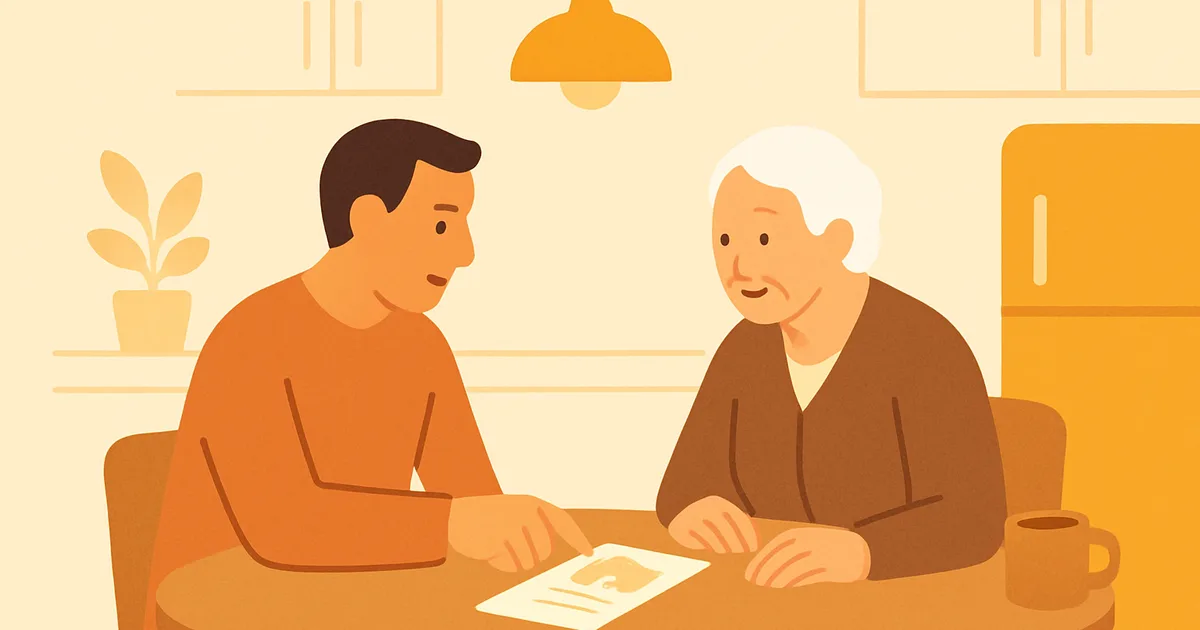
Respite care is short-term care for an older person — a stay of anything from a few days to a few weeks — in a setting where they're safely looked after. It exists for two people at once: the parent who needs care, and the family member who has been quietly carrying it.
Respite care is a short stay — a few days to a few weeks — in a home where an older person is safely looked after, arranged so that the family member who normally cares for them can rest, travel, recover, or simply stop for a while.
If you've been caring for a parent and you're exhausted, that's not a failure. It's the most normal thing in the world, and respite care is built precisely for it.
When respite care helps
A short stay can be exactly the right thing when:
- You need a break. Caring is relentless, and burnout helps no one. A week of respite lets you rest, travel, or simply catch your breath — so you can keep caring well.
- You're recovering yourself. If the primary carer has surgery, illness, or a family emergency, respite keeps your parent safe in the gap.
- Your parent is recovering. After a hospital stay, a short period of supported "step-down" care can be safer than going straight home.
- You're considering a longer move. A respite stay is the gentlest way to try a home before committing — for everyone.
What a respite stay usually includes
A good respite stay is not a holding pen — it's the full care experience, just shorter. Typically that means a private or shared room, all meals, help with daily activities like bathing and dressing, medication management, and the same activities and companionship the permanent residents enjoy. Your parent should be welcomed as a guest, not parked.
How to make it go well
A few things make a short stay smoother:
- Frame it kindly. Describe it as a stay, a visit, a chance to be looked after for a bit — not as a test or a step toward "the home."
- Pack familiar comforts. A favourite blanket, photographs, a radio. Familiar objects settle a new room quickly.
- Share the details that matter. Medications, routines, food preferences, the name they like to be called. Good carers want to know.
- Stay in touch, but give it room. A call or visit is lovely; hovering anxiously can make settling harder.
The quiet benefit families don't expect
Many families approach respite care feeling guilty — and come out the other side relieved in a way they didn't anticipate. The parent, often, enjoys it: the company, the cooked meals, the lifting of daily strain. And the family carer returns rested, with a clearer head for the bigger decisions ahead. Sometimes a respite stay simply recharges everyone. Sometimes it gently answers the question of whether a longer-term move would be a good one.
Questions families actually ask
What is respite care? Respite care is short-term care for an older person, usually a stay of a few days to a few weeks in a home where they are safely looked after. It serves two people at once: the parent who needs care, and the family member who has been carrying it.
How long does a respite stay last? Anything from a few days to a few months. A carer's break is often one to three weeks; recovery after illness or surgery runs as long as the recovery takes; a trial stay wants at least two weeks, because the first days are always the unsettled ones.
Is respite care only for emergencies? No. Planned respite is the more useful kind — booked in advance so a carer can take a holiday, attend to their own health, or simply rest before they are exhausted. Emergency respite exists too, but a break taken before crisis is worth more than one taken after.
Will my parent feel abandoned? It is the fear almost every family names, and it is usually not what happens. Most people settle into the company, the meals and the routine faster than their family expects, and many enjoy the sociability after long stretches alone at home.
Does respite care have to lead to a permanent move? Not at all. Plenty of respite stays end exactly as planned, with the person going home. It can become a trial for a permanent move if the family wants it to — but nothing about a respite booking commits you to anything.
Arranging a stay
Respite places are often limited, so it's worth planning ahead where you can. If you'd like to arrange a short-term stay — for a planned break or an urgent gap — tell us a little about your situation and we'll talk you through what's possible.