Recovering After a Hospital Stay: Step-Down Care Options in Johannesburg
Step-down care bridges the gap between hospital bed and home. Compare sub-acute units, rehab, respite stays and home nursing for older adults in Johannesburg.
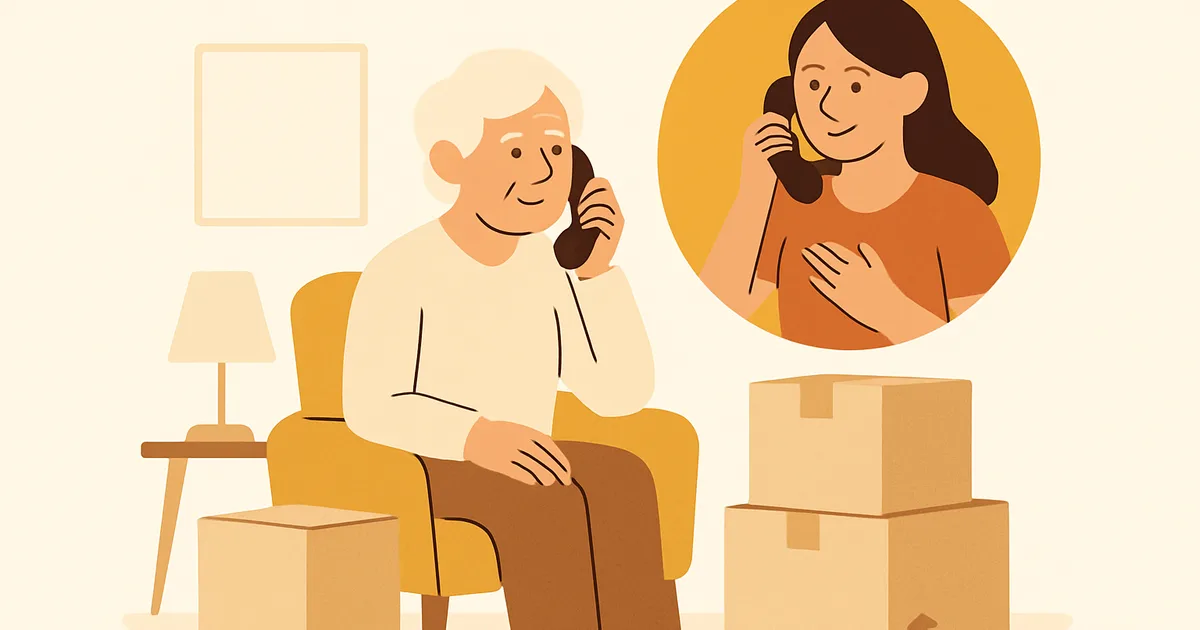
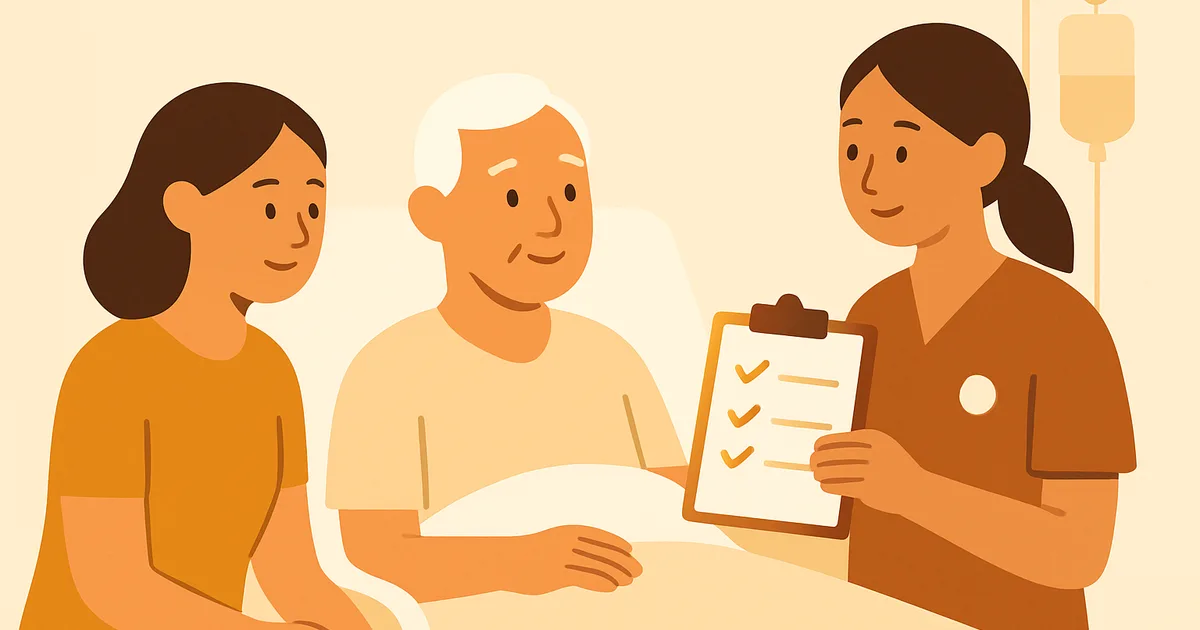
When an older person is ready to leave hospital, they are usually ready to leave hospital — not necessarily ready to be home alone. Step-down care fills that gap. In Johannesburg, families generally have four options: a dedicated step-down or sub-acute facility, a rehabilitation unit, a short respite stay in an assisted-living home, or home care with nursing visits. Which one fits depends on how much medical treatment is still needed, how much rehabilitation is required, and how much everyday support waits at home.
This guide maps the landscape so that a family — or a discharge planner working against the clock — can match the person to the right setting quickly.
Step-down care is temporary, supported care between the hospital bed and home: a sub-acute facility, rehabilitation unit, assisted-living respite stay or nursing-supported home arrangement where an older person continues recovering, with daily help, until they are genuinely ready to manage in their own environment again.
The four options at a glance
| Option | Best for | Typical intensity |
|---|---|---|
| Dedicated step-down / sub-acute facility | Ongoing medical needs: wound care, IV therapy, complex medication, close monitoring | High — nursing-led, clinical setting |
| Rehabilitation unit | Stroke, serious fractures, major deconditioning needing daily therapy | High — structured daily physio, occupational and speech therapy |
| Respite stay in an assisted-living home | Stable patients who need meals, medication support, supervision and gentle re-strengthening | Moderate — 24-hour support in a homely setting |
| Home care with nursing visits | People who are largely independent, with strong family support and a safe home | Low to moderate — scheduled visits, not constant presence |
Dedicated step-down and sub-acute facilities
These are clinical settings — often attached to or near private hospitals — staffed by nurses, with doctors overseeing care. They suit patients who still need genuinely medical attention: wound management, intravenous treatment, oxygen, or monitoring after a complicated admission. Medical aid schemes often have a sub-acute benefit for exactly this, authorised through the scheme's case manager, usually for a defined period.
The strength of a sub-acute unit is its clinical capability. Its limitation is that it remains a medical environment: once the medical needs settle, many older people do better in a calmer, more domestic setting.
Rehabilitation units
Rehab units exist for one purpose: intensive, structured therapy. After a stroke, a serious fracture or profound deconditioning, a person may need physiotherapy, occupational therapy and sometimes speech therapy every day, delivered by a coordinated team. If the treating doctor recommends inpatient rehabilitation, take that recommendation seriously — the early window after a stroke in particular matters, and daily therapy is difficult to replicate anywhere else. We look at this situation more closely in where to recover after a stroke or a serious fall.
A respite stay in an assisted-living home
This is the option families most often don't know exists. Many assisted-living homes offer short-term respite stays, and they suit the largest group of discharged older patients: people who are medically stable but not yet strong. Someone recovering from a hip replacement, a chest infection or a general "hospital knock" doesn't need a nurse at the bedside — they need cooked meals, medication given on time, help with bathing, someone nearby through the night, and encouragement to move a little more each day. Their own physiotherapist can usually continue visiting.
A small home offers this in a domestic setting rather than a clinical one, which many older people find far easier to rest and recover in. Dayspring Gardens, a small assisted-living home in Northriding, Randburg, offers short-term respite stays alongside long-term care for precisely this kind of recovery period. We cover the classic version of this scenario in convalescent care after hip or knee surgery.
Home care with nursing visits
Going home with support — a carer for part of the day, a nursing sister visiting for wound care or medication — works well when three things are true: the person was managing well before the admission, the home itself is safe (few stairs, accessible bathroom, someone within reach), and family can fill the gaps between visits. It preserves the comfort of home, which counts for a great deal. It fails when it is chosen for cost or sentiment while the real need is round-the-clock — a carer who leaves at 5 pm cannot help with a fall at 2 am.
Who actually decides
Three parties shape the decision, and it helps to know each one's role:
- The treating doctor decides when the person is medically fit for discharge and recommends the level of onward care. Ask directly: "What level of care are you recommending, and for how long?"
- The medical aid case manager (for scheme members) authorises sub-acute or rehabilitation benefits and often knows which facilities have beds. Ask what is covered before discharge day, and get it in writing.
- The family — and the person themselves — choose the actual setting. Doctors recommend a level; they rarely dictate an address. Wherever possible, involve your parent in the choice: it is their recovery.
If discharge is imminent and nothing is arranged, don't panic — placements can move quickly when the paperwork is ready. Our guide to short-notice placement covers what to have on hand.
Why "straight home" too soon goes wrong
The pattern is familiar to every discharge planner: an older person goes home because home is where everyone wants them to be, and within weeks they are back in hospital. The reasons are rarely dramatic. A hospital stay — even a short one — leaves many older people weaker, less steady and less confident than when they were admitted. At home, that translates into falls on the way to the bathroom, medication muddled without supervision, meals skipped because cooking is suddenly exhausting, and wounds or symptoms that nobody notices until they've worsened.
None of this reflects on the person or the family. It reflects a simple mismatch: home demands full independence on day one, and recovery doesn't work that way. A few weeks of supported care lets strength return before independence is tested — and it gives the family time to prepare the home properly rather than in a panic.
Choosing well under time pressure
Hospital discharges rarely give families long to decide. Three questions cut through most of the noise:
- Does the person still need medical treatment? If yes — sub-acute or step-down facility.
- Do they need intensive daily therapy? If yes — rehabilitation unit, usually on the doctor's recommendation.
- Do they mainly need support, supervision and time? If yes — a respite stay in an assisted-living home, or home care if the home and family support are genuinely strong.
Before discharge day, work through our family's hospital discharge checklist so the discharge summary, medication list and follow-up plan travel with the person, wherever they go next.
Questions families actually ask
What is step-down care? Step-down care is temporary supported care between hospital and home. It can be a dedicated sub-acute facility, a rehabilitation unit, a short respite stay in an assisted-living home, or home care with nursing visits. The person recovers with daily support until they can safely manage at home again.
Who decides where a patient goes after hospital discharge? The treating doctor decides when the patient is medically ready to leave hospital and recommends the level of onward care. If the patient is on a medical aid, a case manager is usually involved in authorising sub-acute or rehabilitation benefits. The family — and the patient, wherever possible — then choose the actual setting.
Does medical aid pay for step-down care in South Africa? Many South African medical aid plans include a sub-acute or rehabilitation benefit, but cover varies by scheme and plan, and usually requires authorisation through the scheme's case manager. Respite stays in an assisted-living home are generally paid privately. Always confirm the benefit in writing before discharge.
How long does step-down care usually last? It varies with the reason for the hospital stay. Recovery after planned surgery is often a matter of weeks, while stroke rehabilitation or recovery from a serious fall can take considerably longer. The right length is the one at which the person can genuinely manage in their next setting — not a fixed number of days.
Why is going straight home after hospital risky for an older person? Hospital stays leave many older people temporarily weaker than when they went in. At home, that can mean falls, missed medication, poor eating and wound problems — the very things that lead back to hospital. A supported recovery period lets strength return before independence is tested.
Talk it through
If a respite recovery stay sounds like the right fit, you can arrange a visit or ask about availability at Dayspring Gardens — we're happy to talk through whether a short stay suits your situation, with no pressure either way. And if the hospital stay has raised bigger questions about long-term care, the Choosing Senior Care guide is a calm place to start.